How Much More Еfficient is Cardano Аfter the Vasil Update?
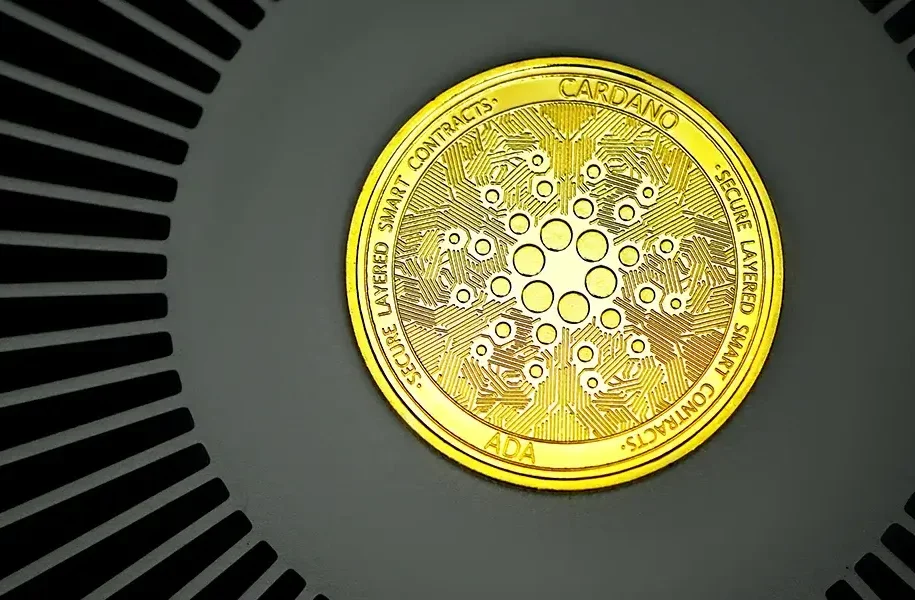
According to a DEX, Cardano's Vasil update (ADA) has had a dramatic impact on network performance.
MuesliSwap, a DEX built on Cardano, claims the upgrade has reduced transaction sizes from 14.73 kB to 1.31 kB and gas fees from 1.44 ADA to 0.73 ADA.
Power of Vasil! 🔥
We are close to launching our Plutus v2 scripts. Here are some amazing benchmarks showing the upgrade (combining our Orderbook with Liquidity Pools)
Plutus v1 Transaction
Size: 14.73 kB
Fee: 1.44 $ADAPlutus v2 Transaction
Size: 1.31 kB
Fee: 0.73 $ADA— MuesliSwap Team🥛 (@MuesliSwapTeam) September 29, 2022
Cardano founder Charles Hoskinson commented on the figures quoted by the exchange.
“Ten times the space savings at half the cost. That’s what I call innovation.”
The Vasil hard fork was created to increase the scalability of the cryptocurrency network and went live on September 22.
The Cardano Input Output Hong Kong (IOHK) development team explained the following:
“The Vasil upgrade will bring significant improvements to Cardano’s performance and capabilities – from higher throughput through diffusion pipelining to a better developer experience with much improved scripting performance, efficiency and lower costs.”
READ MORE: Kraken now Supports Cardano (ADA) as Collateral
IOHK also notes that “Plutus V2 functionality” became available to developers on Cardano’s core network on September 27.
“DApps using the new Plutus V2 scripts and cost model are already seeing the power of the Vasil upgrade.
The new Plutus V2 features and enhancements enable dApp developers to create new and exciting experiences, and the diffuse pipeline processing unlocks the potential for greater network performance and capacity.”
At the time of writing, ADA is trading at around $0.43.

Alexander Stefanov


Reporter at CoinsPress
Alex is an experienced finance journalist and a cryptocurrency and blockchain enthusiast. With over five years of experience covering the industry, he deeply understands the complex and constantly evolving world of digital assets. His insightful and thought-provoking articles provide readers with a clear picture of the latest developments and trends in the market. His passionate approach allows him to break down complex ideas into accessible and insightful content. Follow up on his content to be up to date with the most important trends and topics - stay ahead of the curve with CoinsPress.