Justin Sun Keeps World Liberty Financial Claims in Public Court
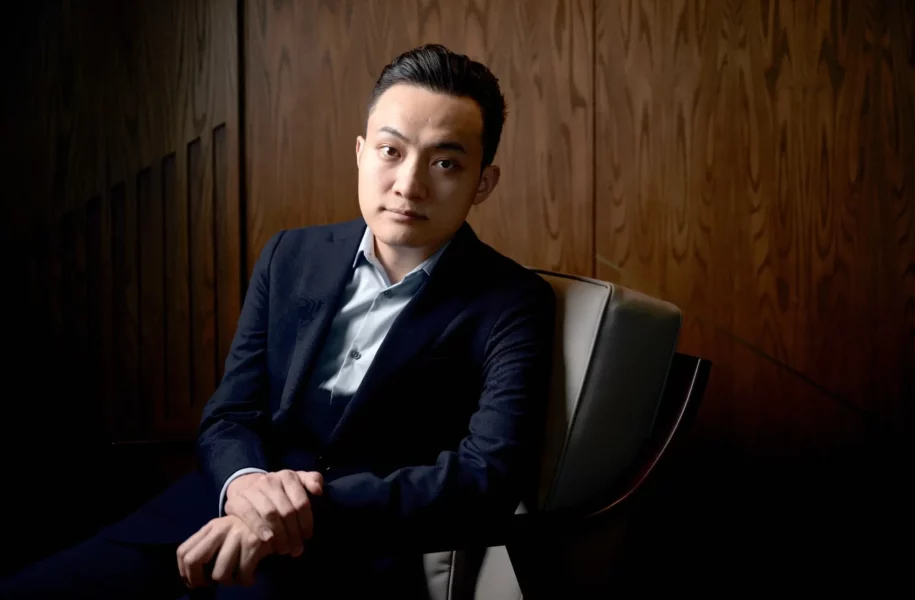
Justin Sun secured a procedural victory against World Liberty Financial on August 20 after a California federal judge allowed his individual claims to remain in public court rather than sending the entire dispute to private arbitration.
Summary:
- Justin Sun’s individual claims against World Liberty Financial will remain in federal court.
- Some claims involving Sun-controlled companies could still move to arbitration.
- The lawsuit centers on World Liberty’s freezing of Sun-linked WLFI holdings.
- The ruling addresses where the dispute will proceed, not whether either side’s allegations are true.
The decision keeps a significant part of the lawsuit open to public scrutiny as Sun pursues claims stemming from World Liberty’s restrictions on WLFI tokens linked to his $45 million investment.
Today, my counsel appeared in California federal court to oppose World Liberty Financial's @worldlibertyfi efforts to force our dispute into secret arbitration proceedings and seal documents from public view.
We argued forcefully that this case belongs in open court—and the…
— H.E. Justin Sun 👨🚀 🌞 (@justinsuntron) August 20, 2026
Why Keeping the Case Public Changes Sun’s Leverage
The practical value of Sun’s procedural victory lies in what could become accessible if his individual claims survive the next stages of litigation. Arbitration would largely move the dispute behind closed doors, while a federal case creates a potential path toward public motions, judicial findings and portions of the evidentiary record.
Discovery could become particularly important. Sun’s allegations depend partly on what World Liberty could do with WLFI tokens after they were sold, what those capabilities were intended for and what investors were told about them. If the case advances far enough, requests for contracts, internal communications and technical documentation could test those allegations against records produced during litigation rather than statements made by either side in public.
That creates leverage that goes beyond the damages Sun is seeking. World Liberty is building WLFI around a broader financial and crypto ecosystem, meaning public examination of its token administration and investor agreements could carry commercial and reputational consequences even before a final judgment.
READ MORE: HTX Rejects Poisoning Claims as Kraken Fund Freezes Face Scrutiny
The ruling does not guarantee that discovery will occur. World Liberty can still seek dismissal of Sun’s claims, and the court has not endorsed his allegations. It does, however, preserve a route through which the underlying dispute could receive considerably more public scrutiny than it would in arbitration.
The $45 Million Investment Is Only Part of the Damages Fight
Sun’s original $45 million WLFI investment provides an obvious reference point, but it should not be treated as equivalent to the damages he is seeking.
His case reportedly seeks hundreds of millions of dollars, creating a substantial gap between the capital originally committed and the potential value of the claims. That difference matters because damages in an investment dispute can depend on more than the purchase price. The calculation may involve the alleged value of restricted assets, contractual claims and other losses Sun says resulted from being unable to exercise rights over his holdings.
The eventual figure, however, would depend on the causes of action that survive and the methodology the court accepts. A token’s market value at a particular point does not automatically translate into recoverable damages, particularly when restrictions on transferability or contractual conditions affect what the holder could actually have sold.
For investors following the case, the hundreds-of-millions figure should therefore be understood as a claim rather than an established economic loss. No court has determined that World Liberty owes Sun that amount, or any damages at all.
Token Controls Turn a Contract Dispute Into a Governance Question
The lawsuit also raises a technical issue with wider relevance to crypto investors: holding a token on-chain does not necessarily mean the issuer has surrendered every form of control over it.
Smart contracts can contain administrative permissions allowing designated addresses to perform functions that ordinary holders cannot. Depending on the contract, those permissions can include pausing transfers, blacklisting addresses, minting or burning tokens and upgrading contract logic.
Such functions are not inherently evidence of misconduct. Stablecoins and other centrally administered digital assets frequently use restrictions for compliance, security or asset-recovery purposes. The legal issue in Sun’s case is different: what controls existed in WLFI, what investors were told about them, what contractual authority World Liberty possessed and whether the company lawfully exercised those powers against Sun’s holdings.
Sun has described the relevant functions as an undisclosed backdoor. World Liberty contests that characterization. The eventual legal question will therefore depend less on whether administrative controls technically existed and more on whether their use complied with the agreements governing Sun’s investment.
The Case Now Splits Into Two Procedural Tracks
The immediate next step is unusually specific: Sun and World Liberty must sort the corporate claims into those that belong in federal court and those covered by arbitration agreements.
Sun did not sue alone. Blue Anthem and Black Anthem are also plaintiffs, and their contractual relationships with World Liberty may differ from Sun’s individual position. If the parties cannot agree on the division, Judge Donato may have to determine which corporate claims are arbitrable.
Several developments now become important:
- Written court order: The formal ruling should establish the precise scope of Judge Donato’s arbitration decision.
- Corporate claims: The parties must determine which claims involving Sun-controlled entities can remain in court.
- Dismissal proceedings: World Liberty can resume efforts to challenge the legal sufficiency of claims that remain before the judge.
- Discovery: If Sun survives the dismissal stage, requests for contracts, communications and records concerning WLFI’s administrative controls could become a major part of the case.
- Damages: The hundreds of millions sought by Sun remain allegations rather than an established liability and would only become relevant after the underlying claims survive and liability is established.
The discovery stage is particularly consequential for the broader WLFI dispute. Sun’s central allegations concern what World Liberty could technically do with investors’ tokens, what it disclosed about those powers and why the controls were allegedly exercised against his holdings. If the case reaches that stage, internal documents and contractual records could provide substantially more detail than has emerged through the parties’ public statements so far.
The information presented in this article is intended for informational purposes only and should not be interpreted as financial, investment, or trading advice. Coinspress.com does not promote or advocate for any particular investment strategy, asset, or cryptocurrency project. Cryptocurrency markets are highly volatile and unpredictable – always perform your own research and seek guidance from a qualified financial professional before making any investment decisions.


Alexander Zdravkov


Reporter at CoinsPress
Alexander Zdravkov is a market analyst and crypto journalist with interests in economics, broader financial markets and digital assets. His journey into crypto began more than four years ago, driven by a fascination with the rapid evolution of blockchain technology and the transformative potential of decentralized finance. He began analyzing market cycles and identifying emerging trends before they reach the mainstream. He holds a degree in International Relations - a background that helped shape his broader perspective on global economics, geopolitics, and the interconnected nature of modern financial markets. Whether covering the latest developments in the crypto sector or exploring broader macroeconomic themes, Alexander focuses on giving readers context rather than simply repeating headlines. During his career, he has authored more than 10,000 articles covering cryptocurrencies, traditional finance, and global market developments. His work spans everything from Bitcoin and altcoins to macroeconomic trends influencing risk assets worldwide.